
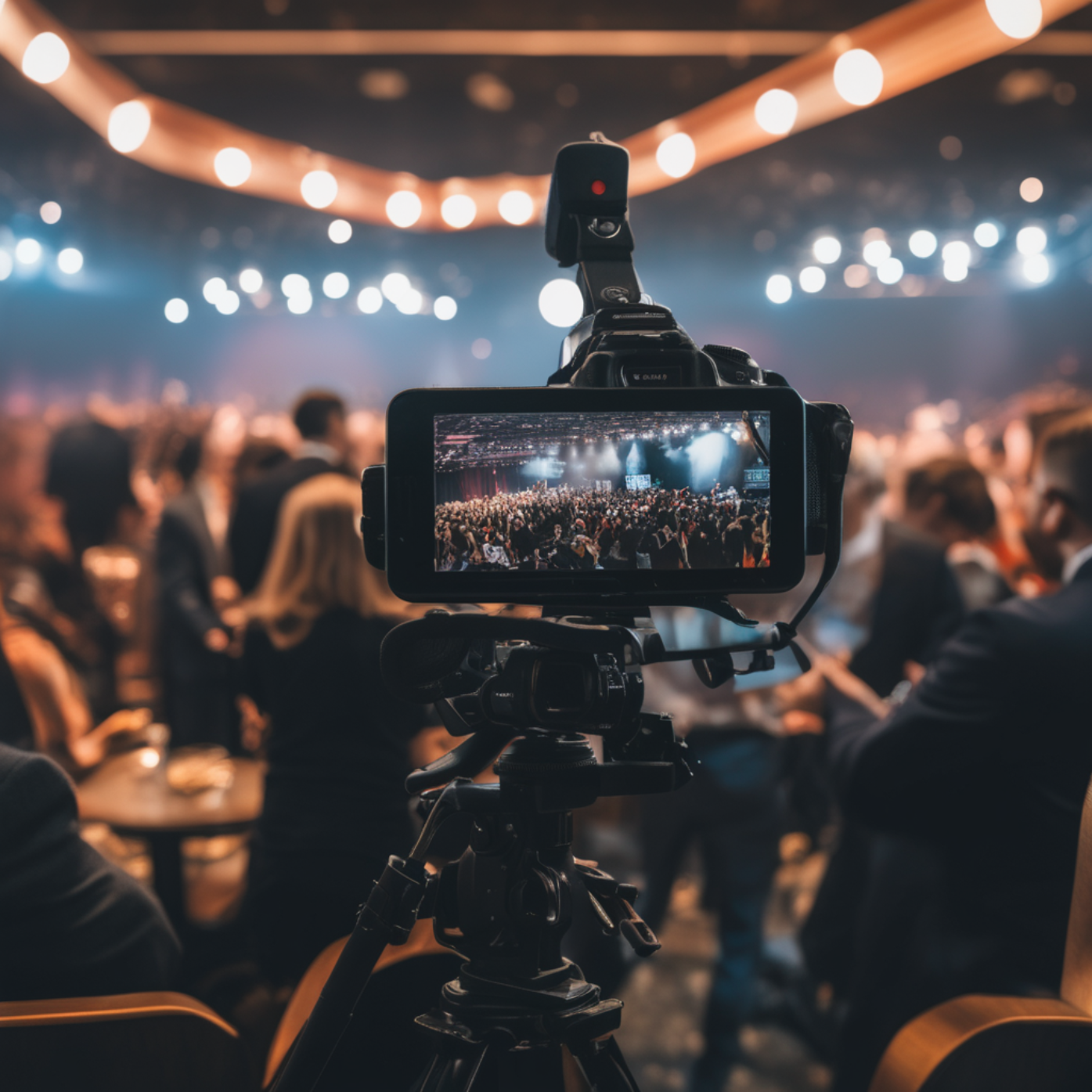
Conferences, corporate meetings, tradeshows and presentations used to live and die by who could physically fit in the room. That is changing, as more organizations build online audiences into their events from the start, whether that means a keynote reaching viewers across the country or a hybrid conference that lets remote colleagues sit in on sessions they would otherwise have missed.
This shift is why so many event organizers, associations and corporate teams researching live streaming services toronto providers offer are looking for more than a camera pointed at a stage. They want a partner who understands presentation sharing, audience interaction, technical testing and backup planning, because a live broadcast leaves no room for a second take. AV-CANADA, based in the Toronto area, works with companies and organizations across Canada to plan and deliver that kind of professional event production.
What Is Professional Event Streaming?
Professional event streaming is the process of broadcasting a live event, such as a conference, keynote, award show or corporate meeting, to an online audience in real time using dedicated equipment, trained staff and a video conferencing platform.
AV-CANADA's approach includes live webcasting, web-based video conferencing and hybrid event production, combining an in-person audience with remote participants joining online. Presentations and keynote addresses are delivered in HD quality through a web browser, so viewers can watch from an office, a home setup or while traveling, with tools for presentation sharing, chat, polling and voting along the way.
Why Should Businesses Use Professional Event Streaming?
Professional streaming lets a business reach people who cannot attend in person while giving them the same quality of information and interaction as attendees in the room, without leaving room for technical failure at a moment that cannot be redone.
Corporate event streaming also gives organizations more control over how their message is delivered. A professionally managed production uses audio-visual technology and streaming equipment suited to the event, whether that is a small internal meeting or a large conference with presenters joining from multiple locations. Because the production is planned and tested in advance, organizers can focus on content instead of troubleshooting connections in real time.
What Is the Difference Between Virtual and Hybrid Events?
A virtual event happens entirely online, with all presenters and attendees joining remotely. A hybrid event combines an in-person audience at a physical venue with remote participants who join and interact through an online platform at the same time.
Virtual conferences and virtual tradeshows are built around remote attendance from the start. Hybrid event streaming has to serve two audiences at once, giving the in-room crowd a smooth live experience while remote participants watching through webcasting still get full access to sessions and the same chances to ask questions or take part.
How Does Professional Streaming Improve Audience Engagement?
Engagement comes from giving remote viewers real ways to participate rather than just watch. A well-run stream includes presentation sharing, live chat, polling, voting and audience interaction, so remote attendees feel part of the event instead of observing from a distance.
Recording sessions also extends engagement beyond the live broadcast, since attendees who could not join at the scheduled time can catch up afterward. This mix of real-time interaction and recorded access helps keep remote audiences invested from start to finish.
Why Is Technical Testing Important Before a Live Event?
Testing matters because a live event offers no chance to fix a major issue once the broadcast begins. Early planning allows presenters, platforms and equipment to be checked thoroughly beforehand.
Part of preparing for a smooth broadcast includes reaching out to presenters individually so they are comfortable with the chosen platform. Backup solutions are also arranged ahead of time, so if something unexpected happens, the production can continue without the audience noticing. This matters most for events with hundreds or thousands of presenters and participants, including those using virtual break-out rooms.
How Can Businesses Reach Audiences Beyond the Physical Venue?
Streaming removes the limits of a physical venue by letting anyone with an internet connection join a session, watch a keynote or explore a virtual tradeshow floor, opening attendance to people who could not travel or who have scheduling conflicts.
Remote audience engagement tools make this reach meaningful rather than passive. A virtual tradeshow, for example, can let remote visitors move through exhibitor booths and attend live sessions much like they would walk a show floor in person, and recording means that content keeps working for an organization well after the broadcast ends.
What Should You Look for When Choosing an Event Streaming Partner?
Look for a provider with hands-on technical experience, professional streaming equipment and familiarity with major video conferencing platforms. Pre-event testing and presenter support matter just as much as the equipment itself.
A strong streaming partner should also offer both on-site and remote technical support during the event, along with the ability to customize the production around your format, whether that is a single-camera webcast, a multi-session conference or a full hybrid tradeshow.
Frequently Asked Questions
What equipment is needed for a successful live event? A successful broadcast typically requires professional-grade cameras, audio equipment and streaming hardware, along with a reliable connection to a video conferencing platform. The right setup depends on the size of the event.
Can presenters and remote participants interact during an event? Yes. Remote participants can take part through chat, polling, voting and audio-visual discussion, giving them many of the same interaction options as attendees in the room.
Is a hybrid event more complicated to run than a fully virtual one? Hybrid events generally require more coordination, since the in-person venue and the online platform need to work together smoothly, while a fully virtual event is built entirely around the online experience.
How many participants can a professional streaming setup support? A well-planned production can support anywhere from a small internal meeting to large-scale events with hundreds or thousands of presenters and participants, including multiple virtual break-out rooms.
What happens if there is a technical issue during the broadcast? Backup solutions are put in place before the event so that any unexpected issue can be managed quickly, with the goal of keeping the disruption invisible to the audience.
Bringing Your Event to a Wider Audience
Every organization has a different reason for streaming an event, from extending a conference to remote colleagues to giving a wider audience access to a keynote. What ties these situations together is the need for careful planning, tested equipment and a team that treats the live broadcast with the same seriousness as the in-person production.
AV-CANADA works with corporate teams, associations and event organizers to plan webcasting, hybrid events and virtual conferences built around each event's specific requirements. If you are planning an upcoming conference, meeting or tradeshow and want to talk through your streaming options, reach out to AV-CANADA for a customized audiovisual production solution.




Write a comment ...